The Shan Shen Bu Office Meme: Make Your Own Escape Video
 Shan Shen Bu AI Team
The office escape is the most copied shan shen bu format. How to stage the corridor, time the dodge, write the prompt, and avoid filming colleagues.
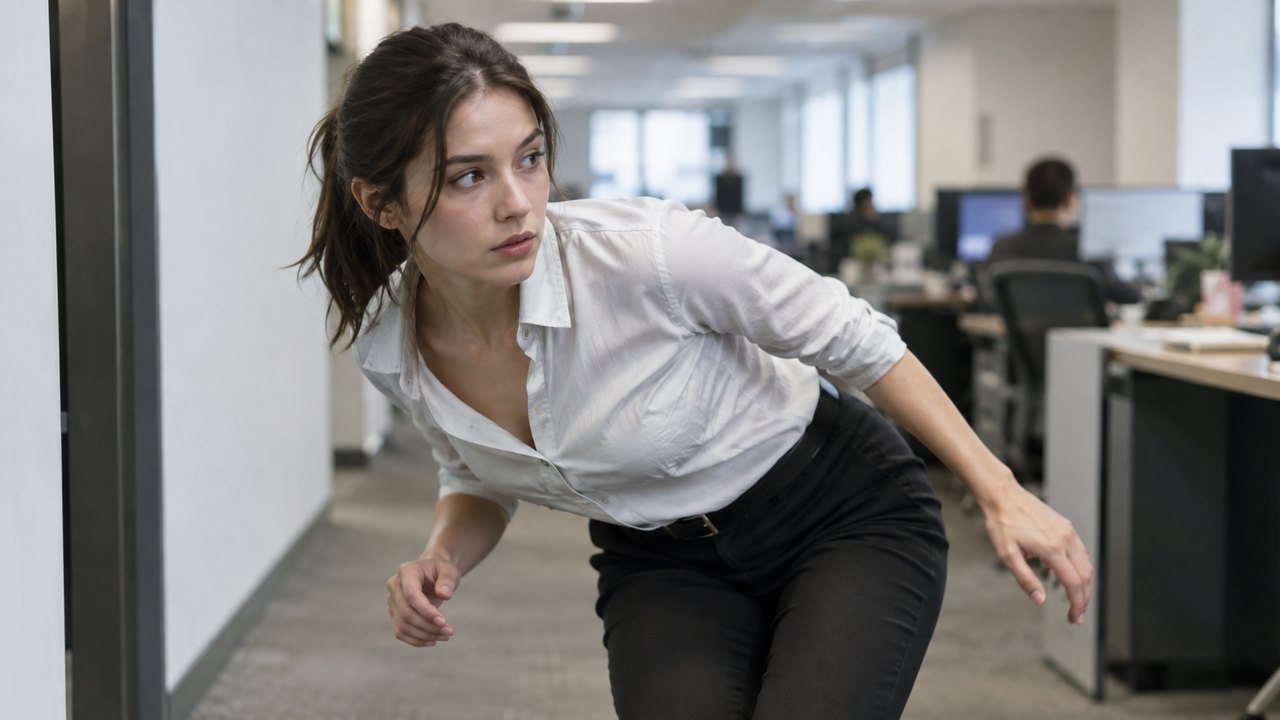
The office escape is the format that carried the shan shen bu trend out of dance circles and into workplaces. The setup is plain: someone is at a desk or in a corridor, a colleague or a manager approaches, and the subject flash-steps out of frame. Then they finish the remaining beats and look into the camera with a straight face, as if nothing happened.
It works because the dodge is the joke, and the office is the most relatable place to need one. It also works because the clip is silent. Any trending sound can be laid over it, so the same video can be reposted as the sound changes.
This guide explains the format, how to stage it in real life, how to make it with AI instead, and the consent rules that keep it from becoming a problem at work.
Example loaded — edit it or generate.
This clip: 30 credits · 11 clips a month for $39.90 (Pro), or 120 a year for $319
What the office format is
Most versions follow four story beats, and they map onto the four dance beats more closely than you might expect.
- The setup. An ordinary office: a corridor, a desk, a printer, a meeting room door. The camera is already rolling, as if it caught the moment by accident.
- The trigger. Someone walks toward the subject, a calendar notification appears, or a manager's voice is implied off-screen. The trigger is the reason to dodge.
- The escape. The subject flash-steps sideways, drops low and gets out of the path. The rest of the routine follows: the kick, the shake and the head sway.
- The punchline. The subject looks into the camera with a deadpan face. No wink, no smile, no explanation.
The best versions keep the trigger visible for less than two seconds and let the dance take the remaining time. A clip that explains the joke in the caption is weaker than one where the dodge is self-evident.
Why it works
Office humor travels because the setting is familiar and the stakes are low. Everyone has wanted to step out of the way of a meeting, a deadline or a conversation. The shan shen bu gives that wish a physical shape, and the movement is exaggerated enough to read on a phone screen without context.
Three properties make the format easy to copy:
- One location. A corridor or a desk is enough. No location scouting.
- No dialogue. Silent clips work with any sound and in any language.
- One performer. No coordination with other people required, at least in the AI version.
That last point is also where the ethical questions start. More on that below.
Staging it for real
If you want to film yourself doing the routine in an actual office, start with the room.
Corridor. A corridor with depth is the classic. The camera sits at chest height, slightly off to one side, and the corridor gives the dodge somewhere to go. A dead-end corridor with a wall two steps behind you is useless: the escape has to move into open space.
Desk. A desk shot works for the notification version. Frame the monitor edge and one shoulder, then dodge out of frame sideways. Keep the desk tidy; a cluttered frame makes the movement hard to read.
Floor space. Clear at least two body widths. The flash step needs a wide stance and a low drop, and shoes catch on cables, chair wheels and bags.
Lighting. Overhead office light is fine. Avoid sitting with a window directly behind you, which turns your face into a silhouette.
Camera. Fixed, chest height, vertical. Do not track the movement. The joke is that the camera is a static witness.
Timing. Trigger within the first two seconds. Then the dodge. Then the remaining beats. Ten seconds total is enough.
Branding. Keep logos, badges and screens out of frame. This protects your employer and avoids implying endorsement.
If a colleague walks through the background by accident, that is a consent problem, not a comedy bonus. Reshoot or blur them out.
Making it with AI instead
The AI version removes the biggest practical problem: you do not need to film anyone at work. You upload one photo of yourself, choose the office preset, and the studio generates the corridor, the desk, the passing colleague and the dodge.
That is better for privacy in most cases, but it introduces its own rules:
- Use your own photo. Do not upload a coworker's picture, even as a background figure.
- Do not ask for a real manager's face. The model should cast a generic background person, not a recognizable colleague.
- Do not reproduce a company logo. Prompts should ask for a plain office, no branding.
- Do not imply a real person chased you. Keep the trigger generic: "a colleague walking past."
The generated version is clearly a performance, which is the point. It is a joke about the feeling of wanting to escape, not a documentary about your workplace.
A prompt for the office escape
A plain open-plan office corridor with desks, monitors and one blurred colleague walking past in the background. One adult in office clothes performs the shan shen bu routine: a fast sideways dodge out of the colleague's path, feet wide and body low, then a knee-lift side kick with the opposite arm swinging across, a full-body shake with both arms up, and a deadpan head sway that ends with a direct look into the camera, as if nothing happened. If a reference photo is attached, keep the exact face, hair, skin tone and outfit; do not add a second person in focus. Fixed phone camera at chest height, one continuous take, vertical 9:16, plain office lighting, no text, no watermark, no logos, no duplicate limbs.
The phrase "out of the colleague's path" is what turns a dance into a story. Without it, the clip is just a person dancing in an office.
Small variants that work with the same structure:
- "Dodges a meeting invite on the monitor."
- "Dodges the printer that is always jammed."
- "Dodges a conversation at the coffee machine."
- "Dodges the question 'do you have a minute.'"
Each variant changes the trigger, not the choreography. That keeps the clip recognizable as the trend while giving you a different joke.
Consent and privacy
This is the part that matters more than the render settings.
- Do not film colleagues without consent. A workplace is not a public street. Filming someone at their desk and posting it can create a real problem for them and for you.
- Do not upload photos of coworkers. Even a background figure is a person whose image you do not own.
- Avoid identifiable screens and documents. A monitor with a client name in frame is a data leak, not a prop.
- Do not name your manager or company in the caption. Keep the joke generic.
- Take it down if someone asks. If a person appears in your clip and wants it removed, remove it without arguing.
- Label the clip as AI. A generated office is still a generated video, and viewers should know.
If your workplace has a social media policy, read it before posting anything filmed there. The AI version avoids filming, but it does not override a policy about posting about work.
A short workflow
- Pick a photo. One clear photo of you, full body if possible, plain background.
- Choose the office scene. The preset already includes the corridor, desks and a passing colleague.
- Confirm the prompt. Keep the trigger and the four beats. Remove anything that names a real person.
- Set 720p and 10 seconds. That is 30 credits at the studio default.
- Check the credit cost. Failed renders refund automatically.
- Generate. The render runs as a task, so you can come back to it.
- Review the dodge and the final look. The dodge should read as a step, not a stumble, and the face should stay deadpan to the end.
- Download, label and add a sound. The MP4 is silent; add the trending audio in TikTok.
If the dodge looks like a fall, the prompt is probably missing the drop and the spring back. Add "drops low, then springs back to center" and render again.
What makes an office clip land
- A visible trigger. The viewer needs to know what you are escaping from.
- A clean dodge. Sideways, low, then back up. Not a stumble.
- A deadpan finish. The look into the camera is the punchline.
- A short caption. "Monday" is enough. Explaining the joke kills it.
- No real names. Generic is funnier and safer.
- Under fifteen seconds. The format does not support a slow build.
FAQ
Do I need to film in an actual office?
No. The office scene is generated, so you can make the clip from a photo taken anywhere. That is also the safer option if your workplace has filming rules.
Can I use a photo of myself at my desk?
Yes, if you own the photo and there are no identifiable colleagues, screens or documents in it. Crop or choose another photo if there are.
Is it okay to joke about my boss?
Keep it generic. A clip about "a manager approaching" is fine. A clip that depicts or names a real person is not.
Why is the clip silent?
Generated clips have no audio by design. Add a trending sound in TikTok after you download the MP4. That is how the office versions spread in the first place.
Can I post it on other platforms?
The file is a standard vertical MP4, so it works anywhere. Label it as AI on every platform, not just the first one.
Make your escape clip
See the office scene page for the preset, or the TikTok feature page for format and export notes. The TikTok guide on the blog covers sounds and captions in more detail.
When you are ready, open the studio on the home page, pick the office scene, and render one ten-second version before you spend credits on a longer clip. The pricing page has the full list of packs if you want more attempts.
Related guides
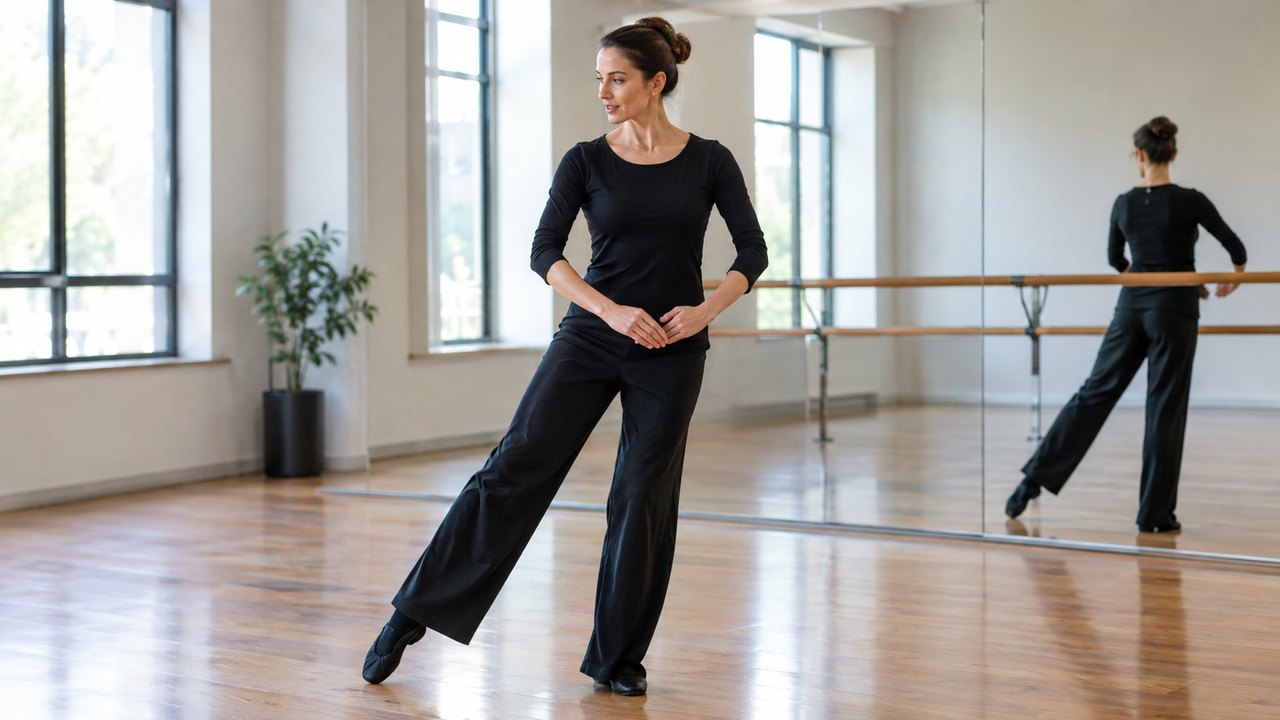
What Is Shan Shen Bu? Meaning, Origin and the Four Moves
Shan shen bu means flash step: a four-beat Chinese dance routine that went viral in 2026. Here is where it came from and what AI can and cannot do.
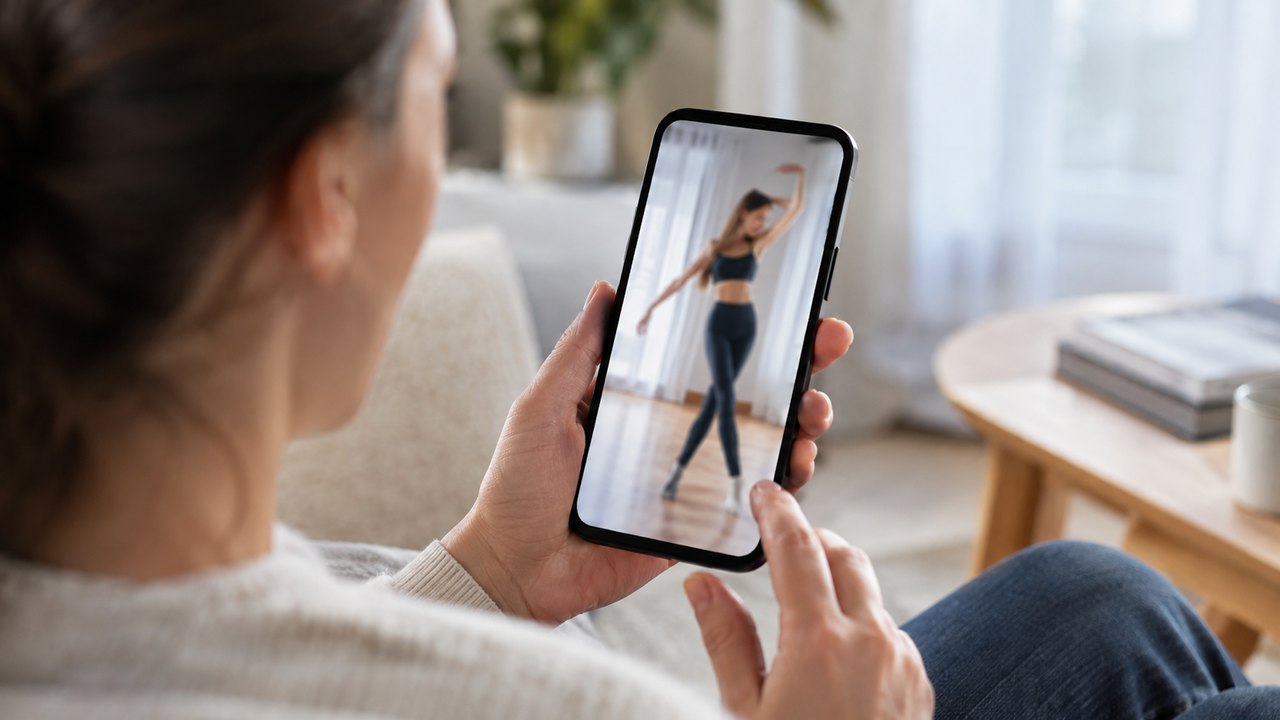
How to Make a Shan Shen Bu Video From One Photo
Turn one clear photo into a 10 to 15 second vertical shan shen bu clip. The full eight-step workflow, a photo checklist and the failures to expect.
Shan Shen Bu AI Prompts That Keep the Face and the Moves
A six-part prompt formula for shan shen bu AI video: subject, scene, four-beat action, camera, identity lock and exclusions, with four full examples.